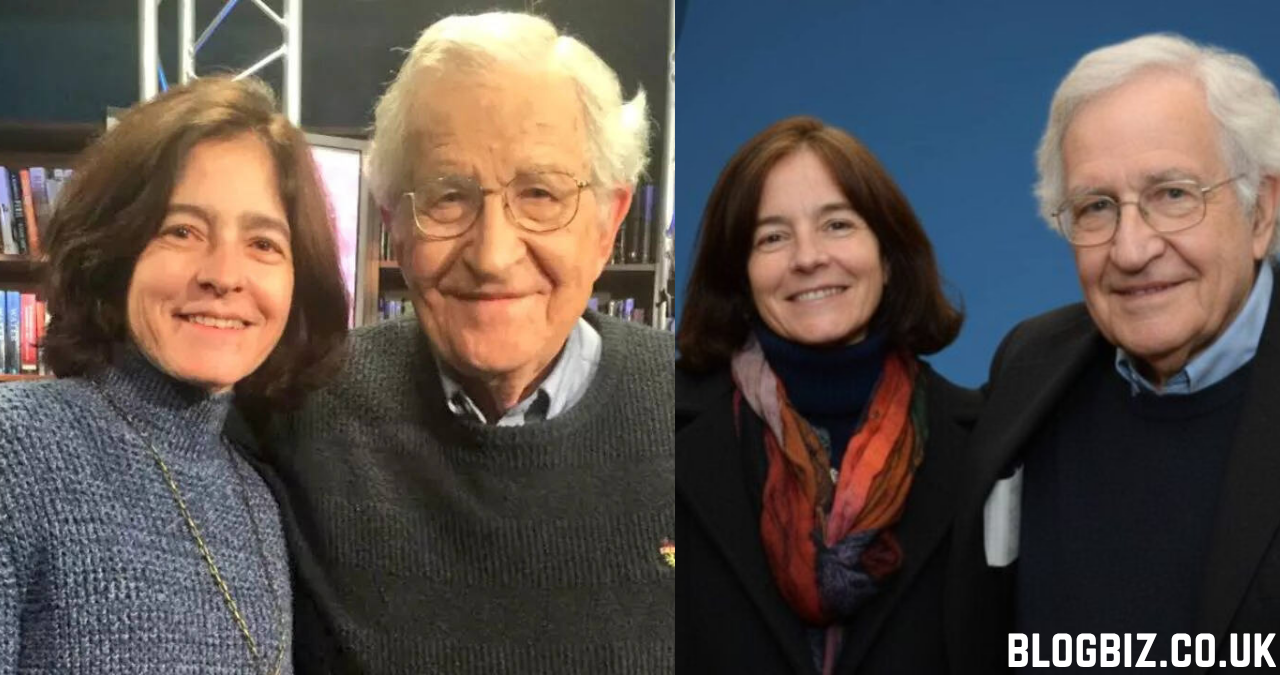
Valeria Wasserman is a Brazilian translator and intellectual professional who is widely recognized for her low-profile yet meaningful presence in academic and cultural circles. While she does not actively seek public attention, her name often surfaces in discussions due to her marriage to renowned linguist and philosopher Valeria Wasserman. Despite this association, she maintains her own identity as a skilled language professional with a strong background in translation and multilingual communication. Her life reflects the balance between private individuality and indirect public recognition.
What makes Valeria Wasserman particularly interesting is the contrast between her quiet lifestyle and the global influence of her social and intellectual environment. In a world where visibility often defines relevance, she represents a different narrative—one where intellectual contribution and personal discretion coexist. Her professional identity is rooted in language, culture, and interpretation, fields that require precision, sensitivity, and deep understanding of context. This foundation has allowed her to operate effectively in multilingual environments while staying largely out of media spotlight.
Early Life and Background
Valeria Wasserman was born and raised in Brazil, a country known for its cultural diversity and linguistic richness. Growing up in such an environment likely played a significant role in shaping her appreciation for language and communication. Brazil’s multicultural atmosphere exposes individuals to a variety of dialects, traditions, and global influences, which can naturally foster an interest in translation and cross-cultural understanding. These early experiences often contribute to the development of strong interpretive and linguistic skills.
Although detailed public information about her childhood remains limited, it is understood that her academic path led her toward language studies and professional translation. This career direction suggests a strong foundation in humanities and communication-based disciplines. Her early exposure to multilingual contexts may have helped her develop the ability to navigate complex linguistic structures, a skill essential for high-level translation work. Over time, this foundation became central to her professional identity.
Her background also reflects a broader theme of intellectual independence. Rather than pursuing public-facing roles, she chose a profession that emphasizes accuracy, confidentiality, and intellectual discipline. This decision highlights a preference for meaningful work over visibility, reinforcing her reputation as a private but capable professional in her field.
Professional Career as a Translator
Valeria Wasserman’s professional career is centered on translation, a field that requires not only linguistic fluency but also cultural interpretation and contextual understanding. Translators serve as bridges between languages, ensuring that meaning, tone, and intent are preserved across linguistic boundaries. In this sense, her work contributes to global communication, particularly in academic and intellectual contexts where precision is essential.
Her translation expertise is believed to span various domains, including legal, academic, and possibly literary texts. Each of these areas demands a different level of technical understanding. Academic translation, for example, requires familiarity with specialized terminology and theoretical frameworks, while legal translation demands strict accuracy and attention to detail. Mastery in these areas reflects a high level of intellectual discipline and linguistic control.
Beyond technical skill, translation also requires cultural sensitivity. A translator must understand not just words, but the cultural meaning behind them. Valeria Wasserman’s work likely involves interpreting ideas across cultural boundaries, ensuring that meaning is preserved without distortion. This makes her role crucial in facilitating communication in global intellectual spaces, even if her contributions remain largely behind the scenes.
Personal Life and Intellectual Environment
Valeria Wasserman is widely known for her marriage to Noam Chomsky, one of the most influential intellectuals of the modern era. Their relationship places her in proximity to global academic discussions, political debates, and philosophical discourse. However, she continues to maintain a distinct personal identity, separate from her husband’s public persona. This balance between personal privacy and intellectual proximity defines much of her public perception.
Their partnership reflects a shared intellectual environment where language, politics, and philosophy intersect. Living alongside a globally recognized thinker naturally involves engagement with complex ideas and discussions. However, Valeria Wasserman is not publicly defined by these associations. Instead, she remains primarily recognized for her professional background and private lifestyle. This separation of identity demonstrates a conscious effort to preserve individuality within a highly visible intellectual space.
Despite limited public appearances, her presence in Chomsky’s life has often been acknowledged as supportive and stabilizing. Intellectual partnerships of this nature often involve mutual understanding, shared values, and respect for intellectual independence. Her ability to maintain privacy while being part of such a prominent intellectual circle highlights her preference for discretion and balance.
Public Perception and Media Attention
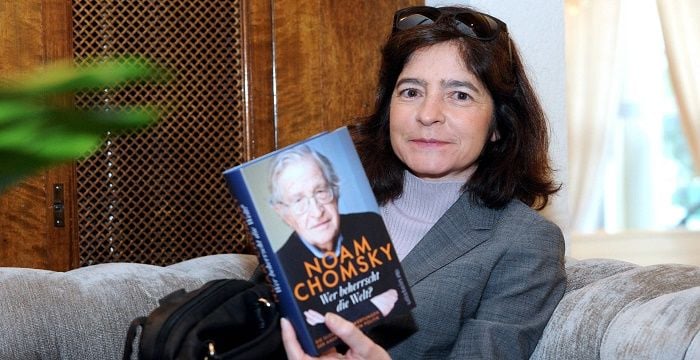
Public interest in Valeria Wasserman is largely driven by curiosity surrounding her association with a globally recognized figure. However, unlike many individuals connected to public intellectuals, she does not actively participate in media narratives or public discourse. This absence from public platforms contributes to a sense of mystery around her identity, often leading to speculation or limited interpretation of her life.
Media coverage of her tends to be minimal and usually appears in biographical contexts related to Noam Chomsky. Even in such cases, she is portrayed respectfully as a private individual rather than a public personality. This careful boundary between public curiosity and personal privacy has helped maintain a relatively balanced representation of her identity.
Her case also highlights a broader social phenomenon: the tendency to define individuals by their associations rather than their own achievements. Despite her professional background in translation, she is often recognized more for her personal relationship than her career. This reflects the challenges faced by individuals who choose private professional paths while being connected to public figures.
Conclusion
Valeria Wasserman represents a unique example of intellectual privacy in a highly visible world. Her career as a translator demonstrates the importance of linguistic expertise in global communication, while her personal life reflects a commitment to discretion and balance. Although she is often mentioned in connection with Noam Chomsky, her identity extends beyond this association into her own professional and cultural contributions.