
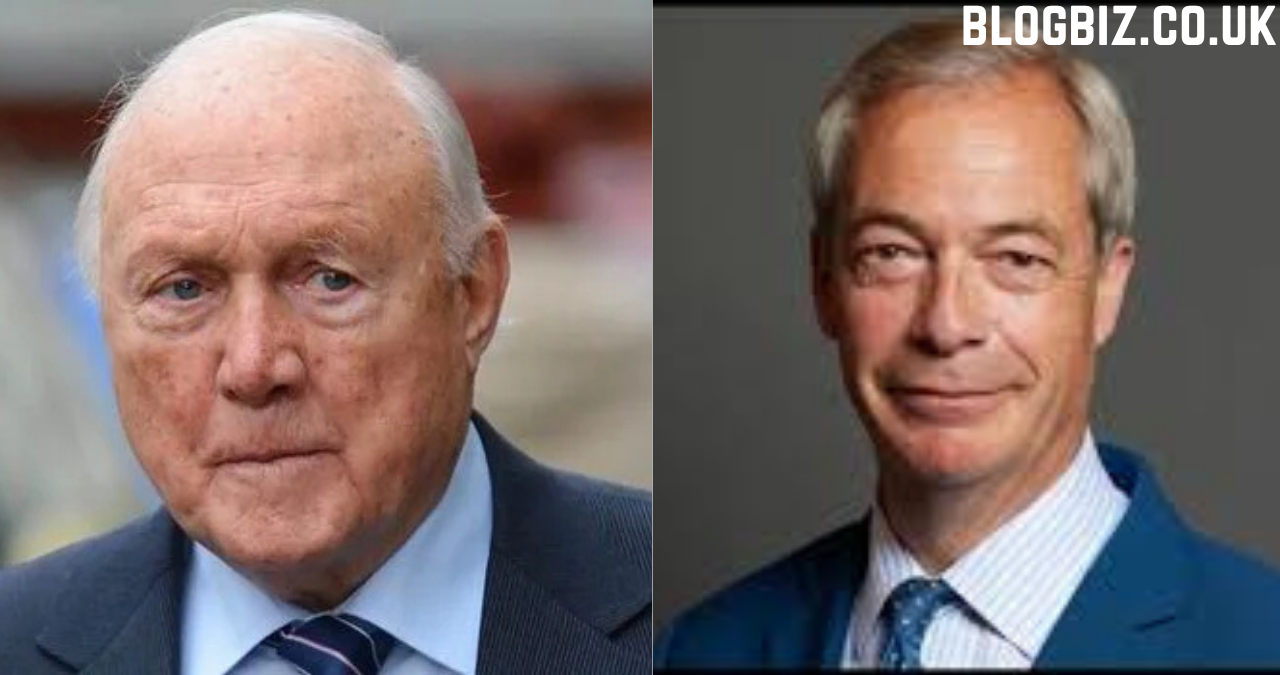
Introduction Why the Name “Guy Justus Oscar Farage” Attracts Attention
The name Guy Justus Oscar Farage has increasingly appeared in online search queries, sparking curiosity among readers who are trying to understand who this individual is and why the name is associated with broader public discussions. In the digital age, multi-part or distinctive names often gain traction simply because they appear in fragmented online references, social media mentions, or unverified blog content. This can lead to growing interest even when there is limited or no confirmed Guy Justus Oscar Farage biography available. As a result, people searching for clarity often encounter more speculation than concrete facts.
Another reason this name draws attention is its potential association with the well-known Farage surname, which is widely recognized in political contexts, particularly in the United Kingdom. When a surname is linked to a prominent public figure, any additional names appearing alongside it tend to attract immediate interest. However, it is important to emphasize that online association does not automatically confirm identity, relationship, or public status. In many cases, search engine results can combine unrelated or minimally verified references, leading to confusion.
At present, there is no widely verified or authoritative public record that provides detailed biographical information about Guy Justus Oscar Farage as a public figure. This absence of reliable data highlights a common issue in modern information consumption: the blending of speculation and fact. As readers navigate such topics, it becomes essential to distinguish between confirmed information and unverified online content.
Family Background and Possible Associations
Discussions surrounding the name Guy Justus Oscar Farage often revolve around potential family connections, particularly due to the prominence of the Farage surname in political discourse. In general, when individuals share surnames with well-known public figures, the assumption of familial ties is a frequent occurrence in online conversations. However, without verified genealogical or official documentation, such assumptions remain speculative. Responsible reporting requires careful separation between confirmed relationships and public curiosity-driven narratives.
In the broader context of public figures, especially politicians, family members sometimes receive indirect attention from media and online communities. This attention does not necessarily mean that those individuals are public personalities themselves. Instead, it often reflects the public’s interest in understanding the personal lives of influential figures. However, not all relatives or individuals sharing a surname are part of public life, and many maintain private identities entirely separate from media coverage.
It is also important to recognize that digital platforms can amplify incomplete or inaccurate associations. Once a name appears in connection with a prominent surname, it may be repeated across websites without verification, gradually creating a perception of legitimacy. This phenomenon contributes to confusion, especially when no official statements or reliable sources clarify the relationship.
In the case of Guy Justus Oscar Farage, available public information remains extremely limited, and any assumed familial connection should be treated with caution unless supported by credible evidence. This highlights the importance of verifying biographical claims before accepting them as fact in online discussions.
Media Mentions, Online Presence, and Public Visibility
When examining the online presence of Guy Justus Oscar Farage, it becomes evident that there is a lack of substantial coverage in reputable media outlets or verified public records. In today’s digital landscape, most individuals who hold public roles—whether in politics, entertainment, or business—typically have some form of documented presence through interviews, official biographies, or institutional references. The absence of such information suggests that this individual is not a public figure or has chosen to remain outside public visibility.
Despite this, fragmented mentions may still appear across forums, social media platforms, or user-generated content sites. These references often lack sourcing and can be repeated without verification. Over time, such repetition can create an illusion of significance, even when no authoritative information exists. This is a common issue in online ecosystems where content is rapidly shared without fact-checking.
Another contributing factor is search engine behavior, which aggregates all occurrences of a name regardless of credibility. As a result, users searching for clarity may encounter mixed results that include speculation, unrelated individuals, or incomplete references. This reinforces the importance of evaluating sources critically and prioritizing verified publications over informal mentions.
At this stage, there is no confirmed evidence suggesting that Guy Justus Oscar Farage maintains a public career or media presence. This reinforces the idea that much of the online interest is driven by curiosity rather than documented public activity. It also demonstrates how easily digital information gaps can be filled with assumptions in the absence of verified data.
Privacy, Public Interest, and Information Ethics
The growing curiosity around names like Guy Justus Oscar Farage raises broader questions about privacy and ethical information sharing in the digital era. While public figures often accept a degree of scrutiny due to their roles, individuals who are not in public life are generally entitled to privacy and protection from unnecessary exposure. This distinction is crucial when evaluating whether detailed personal information should be publicly discussed or amplified online.
Public interest can sometimes blur the line between legitimate inquiry and intrusive speculation. In cases where a name is loosely associated with a prominent figure, curiosity may drive increased search activity, but this does not justify the creation or spread of unverified personal details. Ethical information practices require reliance on confirmed sources and respect for individuals who have not chosen public visibility.
Additionally, the rapid spread of online content means that misinformation can easily circulate before being corrected or clarified. Once incorrect details become widely shared, they are often difficult to remove entirely from search results or discussion threads. This reinforces the responsibility of both content creators and readers to prioritize accuracy over speculation.
Ultimately, respecting privacy while maintaining informed curiosity is a key balance in modern digital culture. In the absence of verified information about Guy Justus Oscar Farage, it is more appropriate to acknowledge the limits of public knowledge rather than assume or construct narratives without evidence.
Conclusion
The name Guy Justus Oscar Farage continues to generate curiosity online, largely due to its association with a recognizable surname and fragmented digital references. However, a careful review of available information shows that there is no substantial or verified public record establishing a detailed biography or public profile. Much of the discussion surrounding this name appears to stem from speculation, search engine aggregation, and unverified online content rather than authoritative sources.