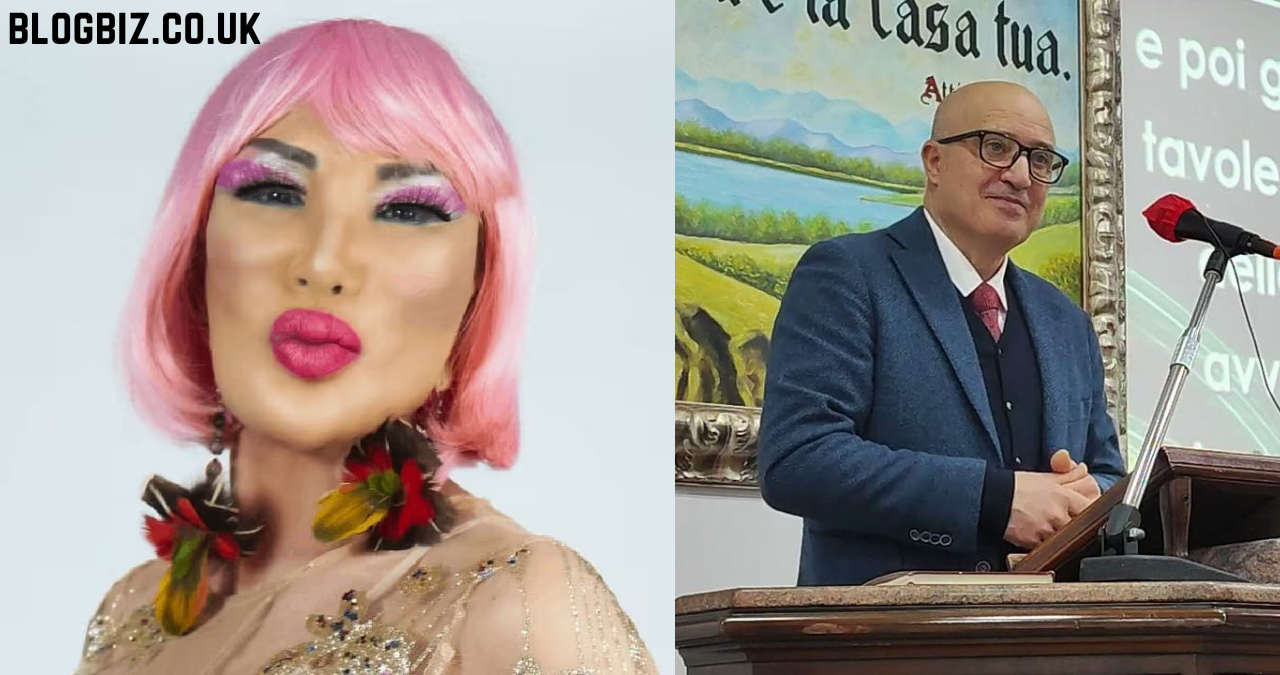

In today’s digital-first world, unusual names often become unexpected search trends, and “Lexie Wiggly” is a perfect example of how curiosity spreads across the internet. Whether it appears in a social media feed, a comment section, or a random online mention, the name immediately captures attention due to its playful rhythm and memorable structure. In the broader context of SEO and online identity research, such names frequently generate speculation because users naturally want to understand whether they belong to a real person, a fictional character, or simply a creative username. This growing curiosity reflects how modern internet users interact with content—not just consuming information, but actively investigating the origins of what they see.
From an informational standpoint, “Lexie Wiggly” can be analyzed as a digital keyword that represents more than just a name. It symbolizes how fragmented and diverse online identities have become in the era of social media. Many usernames are intentionally designed to be catchy, whimsical, or emotionally engaging, making them stand out in crowded digital spaces. As a result, names like this often trend without any clear origin story, leading to increased search volume and discussions across platforms. The fascination also comes from uncertainty, as users attempt to connect scattered digital clues into a coherent identity.
Ultimately, the rising attention around “Lexie Wiggly” demonstrates how internet culture transforms simple names into searchable phenomena. In SEO terms, this reflects the power of curiosity-driven traffic, where even minimal context can spark widespread engagement and discussion.
Who Is Lexie Wiggly? Understanding Identity and Possible Origins
The question “Who is Lexie Wiggly?” does not have a straightforward answer, which is part of what makes it so intriguing in digital discussions. In many cases, names that appear online without clear background information may belong to private individuals, online personas, or entirely fictional constructs created for entertainment or branding purposes. “Lexie” is commonly used as a shortened form of names like Alexandra or Alexis, while “Wiggly” introduces a playful and imaginative twist that suggests movement, personality, or humor. When combined, the name feels intentionally designed to be memorable rather than formal or traditional.
In the context of online identity creation, names like “Lexie Wiggly” often serve as usernames or digital handles that reflect personality rather than real-world identity. Internet users frequently choose such names to establish a distinct presence on platforms without revealing personal details. This allows for creative expression while maintaining privacy. As a result, tracing a concrete biography behind the name becomes difficult, especially if the identity is spread across multiple platforms or used inconsistently.
Another possibility is that “Lexie Wiggly” may represent a fictional or symbolic character used in storytelling, content creation, or social engagement. Many creators develop unique names to build brand recognition or to add personality to their digital content. Without verified sources or consistent public documentation, the identity remains open to interpretation. This ambiguity is a defining feature of modern internet culture, where not everything seen online corresponds to a single, traceable individual.
Online Presence and Digital Perception of Lexie Wiggly
In the digital ecosystem, presence is not always defined by verified accounts or official profiles. Instead, it is often shaped by mentions, reposts, and fragmented appearances across platforms. “Lexie Wiggly” fits into this category of loosely defined digital identities that may surface in different contexts without a unified narrative. This kind of presence is increasingly common in social media environments where usernames, nicknames, and aliases circulate independently of personal branding.
The perception of such a name is heavily influenced by user interpretation. Some may view it as a playful internet persona, while others may assume it belongs to a content creator or influencer. The human brain naturally tries to assign meaning to unfamiliar patterns, which explains why names like this gain traction even without verified background information. In SEO terms, this behavior contributes to keyword clustering, where searches expand around a central term due to speculation and curiosity.
Social media further amplifies this effect. Even a single mention, comment, or repost containing a unique name can trigger a chain reaction of searches and discussions. Over time, this creates a digital footprint that exists more as a collective impression than a factual record. “Lexie Wiggly” becomes part of this phenomenon, where identity is shaped by scattered references rather than a centralized source of truth.
Misconceptions, Digital Identity, and SEO-Driven Curiosity
One of the most important aspects of analyzing “Lexie Wiggly” is understanding how misconceptions form in online environments. When information is limited, users often fill gaps with assumptions, leading to speculation that may or may not reflect reality. This is especially common with unique or unfamiliar names that lack verified context. As a result, identities can become exaggerated, misunderstood, or entirely reinterpreted based on fragmented online exposure.
From an SEO perspective, this behavior is significant because search engines respond to user interest, not just factual accuracy. When enough people search for a term like “Lexie Wiggly,” it gains visibility regardless of whether a definitive identity exists. This creates a feedback loop where curiosity fuels search rankings, and search rankings further amplify curiosity. Over time, the name becomes a digital keyword ecosystem rather than a simple identifier.
In broader digital culture, this reflects the evolving nature of identity on the internet. Unlike traditional identity systems that rely on documentation and verification, online identities can be fluid, anonymous, or symbolic. This flexibility allows for creativity but also introduces ambiguity. Understanding names like “Lexie Wiggly” requires acknowledging that not every digital trace leads to a concrete biography. Instead, many represent expressions, experiments, or fragments of online storytelling.
Conclusion
The case of “Lexie Wiggly” highlights how the internet transforms even simple names into subjects of widespread curiosity and interpretation. In an environment where identity is often fluid and decentralized, users naturally seek meaning in patterns that may not have a single definitive explanation. Whether the name belongs to a private individual, an online persona, or a fictional construct, its growing presence in search behavior reflects the dynamics of modern digital exploration.