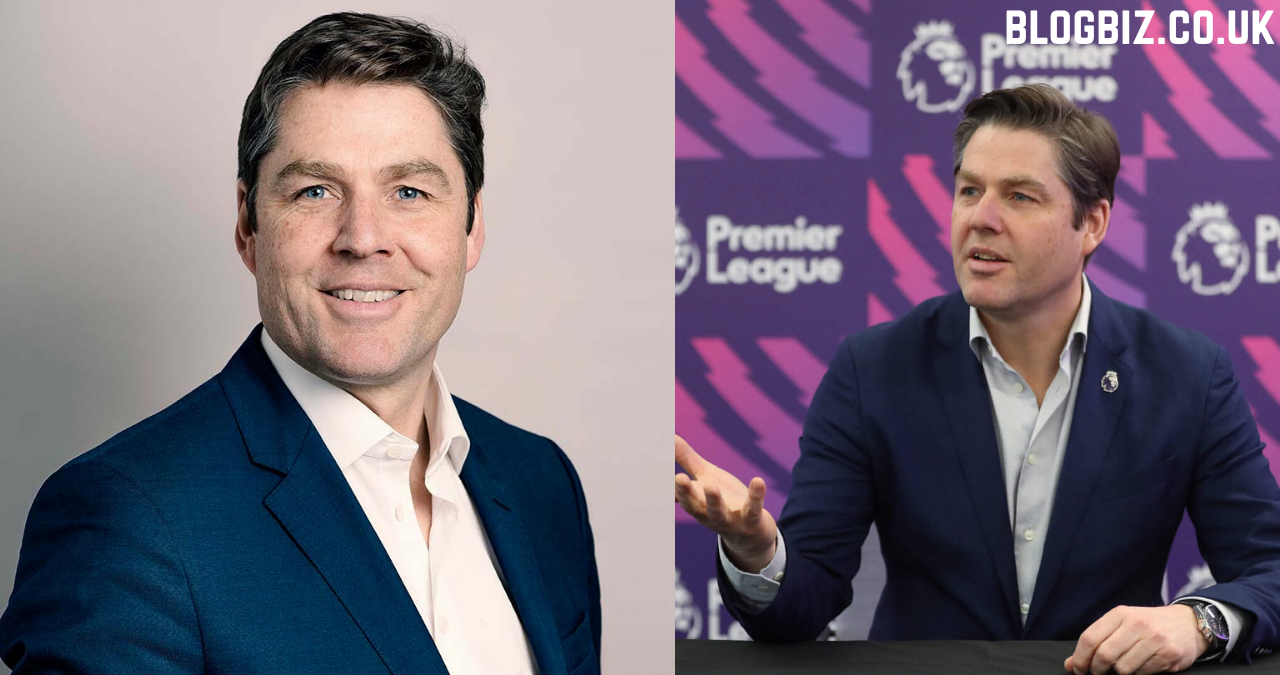
Richard Masters is widely recognized as one of the most influential figures in modern football administration, serving as the Chief Executive Officer of the Premier League. His leadership role places him at the heart of the world’s most-watched football competition, a league that has evolved from a domestic sporting event into a global entertainment powerhouse. Understanding his position requires more than just a look at his title; it involves exploring how football governance, commercial strategy, and global branding intersect in today’s sports industry. Richard Masters represents a new era of executive leadership where business acumen is just as important as sporting knowledge.
His appointment marked a continuation of the Premier League’s focus on professionalized management and international expansion. As football has grown into a multi-billion-pound global industry, the responsibilities of its leaders have also expanded significantly. Masters operates within a complex environment where decisions affect clubs, players, broadcasters, sponsors, and millions of fans worldwide. His role is not only administrative but also strategic, shaping the long-term direction of English football’s top tier.
In the broader context of sports governance, Richard Masters stands as a figure navigating constant tension between tradition and modernization. The Premier League’s identity is rooted in competitive football, yet its future depends heavily on digital transformation, global media rights, and financial sustainability. Masters’ leadership reflects this balance, making him a key figure in discussions about how football should evolve in the 21st century.
Early Life and Career Development in Football Administration
The early life of Richard Masters provides insight into the foundation of his career in sports governance. While not much is publicly emphasized about his personal upbringing, his academic and professional development highlights a strong background in business and organizational management. These skills later became essential as he entered the highly competitive world of football administration. His early exposure to corporate structures helped shape his analytical approach to leadership, particularly in areas involving finance and strategic planning.
Before becoming CEO of the Premier League, Masters worked in various roles that gradually built his expertise in football operations and commercial strategy. His time within the organization allowed him to understand the intricate relationship between clubs, broadcasters, and governing bodies. This period was crucial in developing his understanding of revenue distribution, media negotiations, and stakeholder management. Each role he undertook contributed to his ability to manage large-scale decisions affecting the entire league ecosystem.
As he progressed through the ranks, Masters became increasingly involved in the commercial side of football, which is one of the most critical aspects of modern sports governance. His work helped strengthen the Premier League’s global broadcasting reach, ensuring that it remained the most commercially successful football league in the world. This experience positioned him as a natural candidate for executive leadership, combining technical knowledge with practical industry insight.
Role as CEO of the Premier League and Strategic Decisions
As CEO of the Premier League, Richard Masters holds responsibility for overseeing the league’s overall operations, commercial growth, and long-term strategy. His position requires balancing competing interests among 20 clubs while ensuring that the league remains financially strong and globally competitive. One of his most important duties involves negotiating broadcasting rights, which represent the largest source of revenue for the Premier League. These agreements determine how matches are distributed worldwide and significantly influence the league’s international popularity.
Under his leadership, the Premier League has continued to expand its global footprint, reaching audiences across Asia, the Middle East, Africa, and the Americas. This expansion is not accidental but the result of carefully structured media deals and branding strategies. Masters has played a central role in maintaining the league’s reputation as the most commercially valuable football competition in the world. His decisions often involve balancing short-term financial gains with long-term brand sustainability.
Another major aspect of his leadership involves managing competitive integrity within the league. Issues such as financial regulation, club spending, and fair competition are constant challenges. Masters has overseen discussions on financial fair play and revenue distribution models aimed at maintaining balance between larger and smaller clubs. His role also includes responding to crises such as the COVID-19 pandemic, which disrupted seasons and required rapid restructuring of fixtures, broadcasting arrangements, and safety protocols.
Leadership Style, Challenges, and Public Criticism
Richard Masters is often described as a pragmatic and commercially focused leader, prioritizing stability and long-term growth for the Premier League. His leadership style emphasizes negotiation, consensus-building, and strategic patience, particularly when dealing with clubs that have conflicting interests. Rather than adopting a highly public-facing persona, Masters tends to operate behind the scenes, focusing on governance and operational efficiency.
However, his tenure has not been without criticism. One of the most significant challenges he has faced is balancing the growing financial gap between elite clubs and smaller teams. Critics argue that despite revenue sharing systems, wealth concentration remains a concern in English football. Additionally, debates surrounding the commercialization of the sport have raised questions about whether financial priorities are overshadowing sporting tradition.
Another major moment during his leadership was the European Super League controversy, which sparked widespread backlash from fans and clubs. Masters and the Premier League took a firm stance against the proposal, reinforcing the importance of domestic competition. This event highlighted the complex pressures facing football executives, who must respond to both financial incentives and public sentiment. Despite criticism, his handling of the situation reinforced his position as a defender of the league’s traditional structure.
Future Outlook of the Premier League Under His Leadership

The future of the Premier League under Richard Masters is expected to focus heavily on digital transformation, global expansion, and financial sustainability. As football consumption shifts toward streaming platforms and interactive media, the league must adapt to changing viewer habits. Masters is expected to play a central role in guiding these technological transitions, ensuring the league remains accessible and commercially strong in an increasingly digital world.
Another key focus is maintaining competitive balance while continuing financial growth. The challenge lies in ensuring that increased revenue does not widen the gap between top and lower-tier clubs. Future reforms may involve adjustments to revenue distribution, salary structures, and regulatory frameworks. Masters’ leadership will likely be crucial in negotiating these sensitive changes among stakeholders.
Globally, the Premier League is expected to further expand its presence in emerging markets. Asia and North America remain key regions for growth, and Masters’ commercial strategy will likely emphasize partnerships, branding, and localized broadcasting. As football continues to evolve into a global entertainment product, his role will remain central in shaping how the Premier League adapts to new opportunities and challenges.
Conclusion
Richard Masters represents a modern generation of sports executives who operate at the intersection of business, media, and competitive sport. His leadership of the Premier League reflects the evolving nature of football, where financial strategy and global branding are as important as on-pitch performance. While his tenure has faced scrutiny and debate, it has also reinforced the Premier League’s position as the world’s leading football competition. As the sport continues to evolve, Masters’ influence will remain a defining factor in shaping its future direction.